Can I Take This With My Medication?
This is the question where getting it wrong causes actual harm, so it gets the most careful answer on the site.
The honest framing
We cannot answer this for you, because the answer depends on your specific medication list, your doses, your kidney and liver function, and your other conditions. What we can do is tell you exactly what to ask about.
Route one: curcumin and bleeding
Curcumin affects platelet function and blood clotting. That adds to anticoagulants such as warfarin, and to antiplatelet drugs including aspirin and clopidogrel.
The same property is why turmeric supplements are usually stopped about two weeks before planned surgery, and why the surgical team should be told what you take. Bleeding matters particularly in orthopaedic procedures.
Route two: forskolin and blood pressure
Forskolin widens blood vessels and lowers blood pressure independently. Taken alongside antihypertensive medication or nitrates, the effects can compound.
Worth flagging that the sales page does not mention forskolin at all, so somebody buying on the advertising would not know to ask about this.
Route three: piperine and everything else
This is the one almost nobody raises, and it is the broadest.
Piperine blocks drug-metabolising enzymes generally. That means more of many medicines stays in your bloodstream instead of being cleared — effectively increasing your dose without you changing anything you swallow.
Why that is different from the other two
The first two involve a specific effect adding to a specific drug class. This one can affect medicines that have nothing to do with joints, inflammation or blood pressure. It matters most for drugs where the effective dose and the harmful dose sit close together.
Other things to raise
- Diabetes medication — curcumin and piperine may both lower blood sugar, adding to what you already take
- Gallstones or bile duct problems — turmeric stimulates bile production and is generally avoided
- Reflux or ulcers — forskolin can increase stomach acid
- Liver conditions — rare cases of injury have been reported with concentrated turmeric supplements
- Pregnancy or breastfeeding — supplement doses of these ingredients are generally not recommended
How to have the conversation
Take the actual bottle, or a photograph of the Supplement Facts panel, to any pharmacy counter. Ask them to check it against your full list including anything over the counter.
It costs nothing, takes a few minutes, and is what pharmacists are trained for. Do it before ordering rather than after the first capsule, because the answer might save you the purchase entirely.
What not to do
Do not stop or adjust a prescribed medicine to accommodate a supplement. Ever. If there is a conflict, the supplement is the thing that goes.
Sources
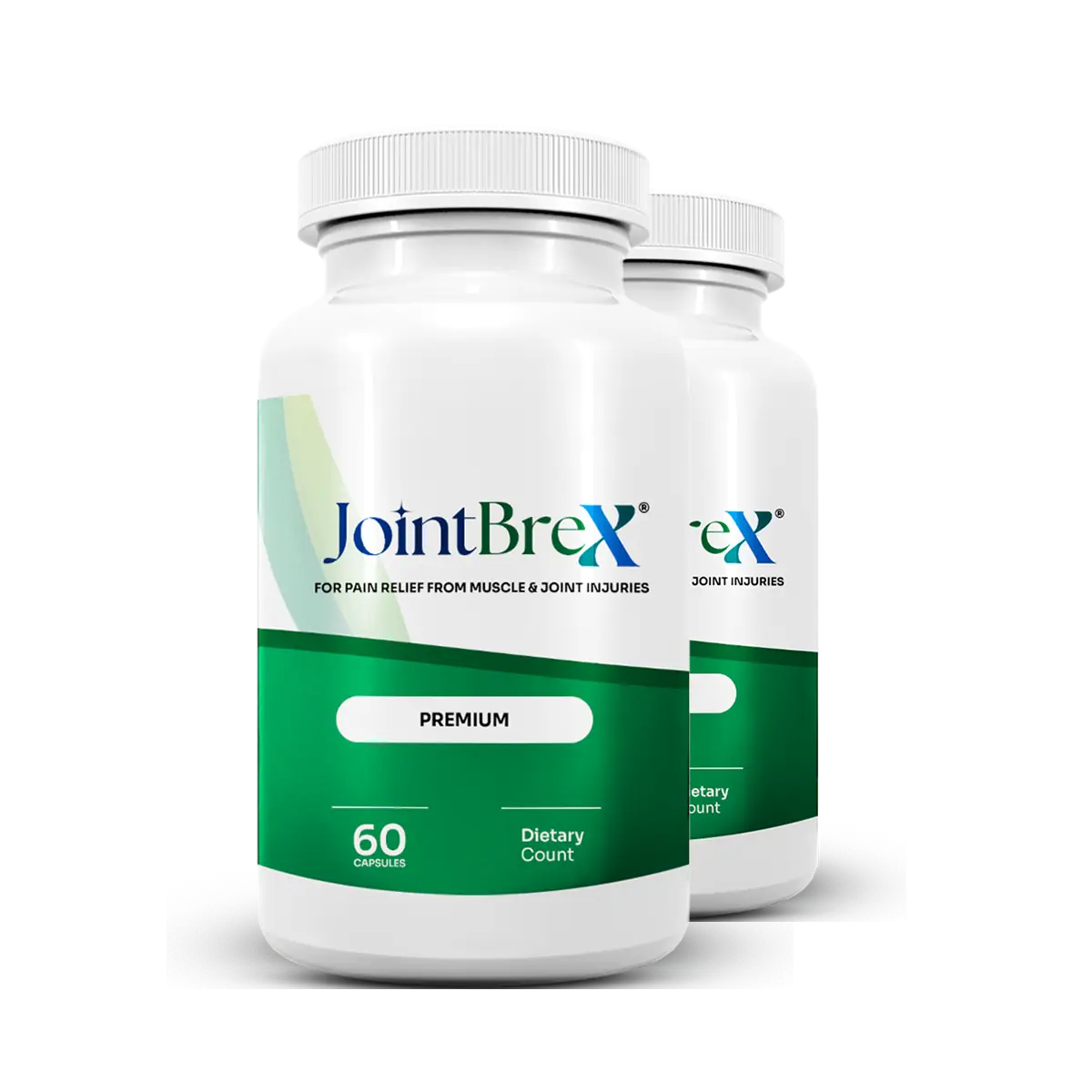
Where to Buy, and What to Ask First
Some readers will work through every answer here and decide to try it anyway. That is a reasonable thing to do with clear eyes. The pricing page has the current totals, the figures that contradict each other, and the questions to put to a pharmacist first.
Pricing and Cautions →