Coleus Forskohlii: Why Is This in a Joint Supplement?
Of all the questions this site tries to answer, this is the one where we come up shortest.
What is it?
A plant in the mint family, native to South Asia, with a history in Ayurvedic practice. Its root yields a compound called forskolin, which is what supplement extracts are made for.
What does forskolin do?
It switches on an enzyme that raises cyclic AMP inside cells. That is a general-purpose internal messenger involved in an enormous number of processes, which is precisely why forskolin is difficult to pin down — it nudges something very broad rather than acting on one target.
Where has it actually been studied?
- Glaucoma — lowering pressure inside the eye, the best-established use
- Asthma — relaxing airway muscle through the same messenger
- Body fat and composition — small studies, heavily oversold in the supplement trade
- Blood pressure — it widens blood vessels and brings pressure down
Joints do not appear on that list in any meaningful way. There is laboratory work linking cAMP signalling to inflammatory mediators generally, which may be the rationale, but that is a long way from evidence that it helps a human knee.
So how much is in the capsule?
Nobody can say, and that is the more serious problem.
The panel gives 15 mg of Coleus Forskohlii Extract and stops there. No forskolin percentage is printed. Commercial extracts are commonly made at 10% or 20%, which would mean 1.5 to 3 mg — but those are conventions rather than requirements, unstandardised extracts exist, and the label does not commit.
Why does that matter so much?
Because an ingredient you cannot put a number on is one you cannot assess. You cannot compare it against research, cost it, or judge whether the amount is meaningful. On a label that already asks for trust on the 4:1 turmeric extract, this is a second line asking the same.
One more oddity
The advertising lists six ingredients and this is not among them. So somebody buying on the strength of the sales page would not know it was in the product at all. For most people that is immaterial. For anyone taking blood pressure medication, it is not.
What should I check?
- Blood pressure tablets — forskolin lowers blood pressure and the effects add up
- Nitrates — the same concern
- Blood thinners — it may affect platelets, on top of what the turmeric is doing
- Reflux or ulcers — it can increase stomach acid
Our honest position
Not dangerous at this sort of amount in a healthy adult, and forskolin is a real compound with real pharmacology rather than a filler chosen to pad a label. But it is the wrong plant for a joint product, in a quantity nobody can establish, that the advertising never mentions. Its presence is a reason to read the rest of this label carefully.
Sources
Also on the panel
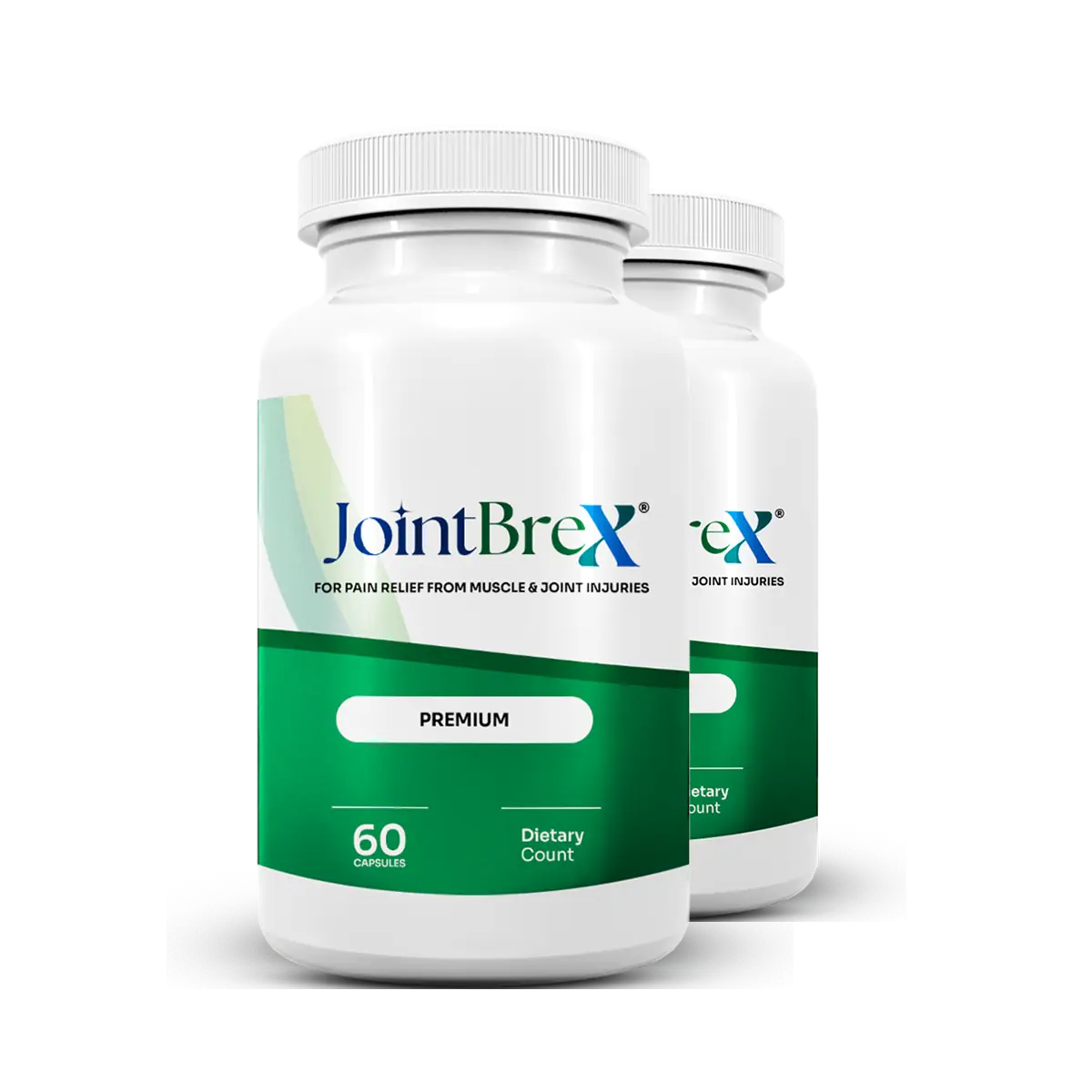
Where to Buy, and What to Ask First
Some readers will work through every answer here and decide to try it anyway. That is a reasonable thing to do with clear eyes. The pricing page has the current totals, the figures that contradict each other, and the questions to put to a pharmacist first.
Pricing and Cautions →