Ten Questions, Answered Properly
These are the ten questions we would want answered if a relative asked us about this product. Each gets a short answer first and the reasoning after it, so you can stop reading whenever you have what you came for.
1. Does it work?
Short answer: probably not much, and the reason is quantity rather than concept.
The active ingredient worth discussing is curcumin, from turmeric. It has real randomised trial support in knee osteoarthritis — several studies report reduced pain and stiffness, and a few compared favourably against anti-inflammatory drugs on symptom scores with fewer stomach complaints. Within the supplement world that is towards the better end of the evidence.
Those trials generally used 500 to 1,500 mg of curcuminoids a day. This capsule supplies roughly 35 mg, allowing generously for a portion of the label that cannot be calculated exactly.
So the honest position is not that curcumin does nothing. It is that the studies people cite when selling turmeric were testing an amount ten to forty times larger than what is in this bottle.
2. What is actually in it?
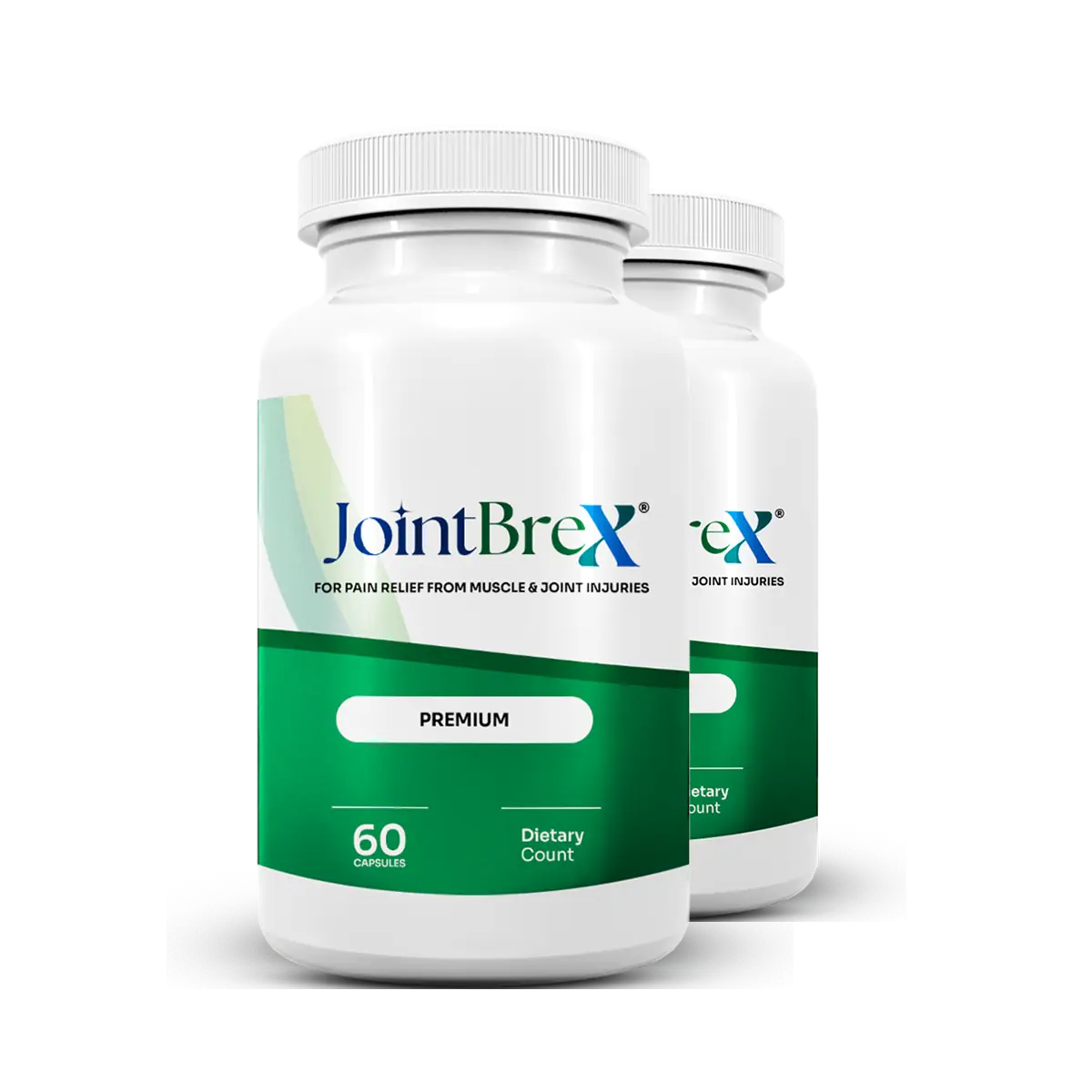
Two turmeric extracts, a plant extract called Coleus Forskohlii, and a black pepper extract.
Specifically: turmeric root extract at 4:1 (75 mg), turmeric extract standardised to 95% curcuminoids (30 mg), Coleus Forskohlii extract (15 mg), and BioPerine (5 mg). That is 125 mg of active material, in a gelatin capsule, taken once daily.
3. Why does the advertising list six completely different ingredients?
We do not know, and we are not going to speculate about intent.
The sales page describes Glucosamine Sulfate, Chondroitin Sulfate, Boswellia Extract, Turmeric, MSM and Bromelain. Only turmeric appears on both documents. Five of the six advertised ingredients are absent from the Supplement Facts panel, and the panel contains one ingredient — Coleus Forskohlii — that the advertising never mentions.
There are other mismatches. The label says one capsule daily; the sales page says two. The panel says 30 capsules; the sales page and the bottle artwork say 60. The sales page carries a crustacean shellfish warning, which would suit a glucosamine formula, on a product whose panel lists no shellfish-derived ingredient.
Our best guess is mundane: a sales page assembled from a template used for other supplements, with joint copy written over the top. That would also explain why its ten scientific references are all about gut bacteria, type 2 diabetes and weight-loss botanicals, why an expert quote on it recommends the product for dizziness and vertigo, and why all five bonus guides are about nerve pain in the hands and feet.
That explanation is not an excuse. A page carrying an allergen warning that does not match its own formula is a problem whatever caused it.
4. Which document should I believe?
The bottle.
A Supplement Facts panel is a regulated disclosure with rules about what appears on it and how. A sales page is advertising. When they conflict, the panel is the one with something behind it.
That said, with a gap this large the genuinely sensible move is to look at a physical bottle before spending money, or to ask the seller to send a photograph of the current panel.
5. Will it interact with my medication?
Possibly, in three separate ways — and this is the answer we would most want you to act on.
Curcumin affects blood clotting and adds to warfarin, aspirin and clopidogrel. It may also lower blood sugar, which matters alongside diabetes medication. It stimulates bile production, so it is generally avoided with gallstones, and it is usually stopped about two weeks before surgery.
Forskolin lowers blood pressure independently, so it can compound antihypertensives and nitrates. It may also affect platelets on top of what the curcumin is doing.
Piperine is the one almost nobody mentions. It blocks enzymes your body uses to break down many medicines, which means more of them stay in your bloodstream — effectively increasing your dose without you changing anything you swallow.
A pharmacist will read your full list and answer this in a few minutes, at no cost. It is the highest-value thing anyone reading this page can do.
6. Is it worth the money?
As a way to buy curcumin, no.
At $294 for six bottles, following the label's one-a-day instruction, the kit lasts 180 days at about $1.63 daily. That buys roughly 35 mg of curcuminoids — around $4.66 per 100 mg of the compound you are actually after.
A plainly labelled standardised extract will supply many times that dose for a fraction of the cost per milligram. If the sales page is right that two capsules are needed daily, every one of those figures doubles.
7. Can it rebuild cartilage?
No, and nothing else taken by mouth has convincingly shown that either.
Cartilage has no blood supply. It is fed by diffusion from the fluid around it, which makes it a slow and indirect destination for anything circulating in your bloodstream, and it repairs poorly for the same reason.
It is also a claim to reverse a disease process, which dietary supplements may not lawfully make. Note that the bottle itself does not make it — the label's own line is that it helps maintain a healthy inflammatory response, which is modest and lawful.
8. Is it safe?
Probably, for most healthy adults, with three caveats.
The ingredients on the panel are ordinary supplement ingredients at ordinary or low amounts, and the manufacturing claims — GMP certified, FDA-registered facility — are stated accurately rather than implying approval that does not exist.
The caveats: the medication interactions in question five; the shellfish contradiction, which means anyone with that allergy cannot establish safety from the published documents; and the gelatin capsule, which excludes vegetarian, vegan and some religious diets without being mentioned in the advertising.
9. How long should I give it?
Six to eight weeks would be fair. The refund terms make that awkward.
Joint symptoms fluctuate naturally over weeks, so anything shorter mostly measures the natural cycle. But the guarantee runs 60 days from purchase with a condition requiring at least 30 days of use first, which leaves roughly a month of genuine decision time.
The practical answer is to write things down from day one — minutes of morning stiffness, stairs before discomfort, whether you could open a jar — and judge against notes rather than memory when the deadline arrives.
10. Should I buy it?
It depends entirely on what you thought you were buying.
If you came for glucosamine and chondroitin, then no. The panel gives no indication either is present, and both are cheaply available plainly labelled.
If you want a turmeric supplement, buy one whose curcuminoid content is printed on the panel so you can compare it against the research. This one prints a verifiable figure for less than a third of its turmeric.
And if you have not had your joint looked at, that comes first. Inflammatory arthritis, gout and joint infection all present as joint pain, all need treating, and all are missed by people who self-treat with supplements instead.
Sources
What Does It Cost?
Priced by the manufacturer and sold through BuyGoods. Because the sales page publishes figures that contradict one another, read the checkout total carefully before confirming.
- Lowest per-bottle rate
- Includes the 5 digital bonuses
- 60-day guarantee
The crossed-out numbers are reference prices the manufacturer publishes; we found nothing showing the product has sold at them, so they are not a saving. "See Details" opens our pricing page, which links to the official checkout. We may earn a commission at no extra cost to you.
Where to Buy, and What to Ask First
Some readers will work through every answer here and decide to try it anyway. That is a reasonable thing to do with clear eyes. The pricing page has the current totals, the figures that contradict each other, and the questions to put to a pharmacist first.
Pricing and Cautions →