How Is It Supposed to Work?
Every supplement comes with a story about why it should help. This one's story is reasonable for three steps and then runs into a problem.
Step one: does inflammation matter in a worn joint?
Yes. Osteoarthritis is often described as simple wear and tear, which undersells it. The lining of the joint capsule frequently becomes inflamed, and that inflammation both causes pain and drives further cartilage breakdown. Targeting it is a coherent idea rather than a marketing invention.
Step two: does curcumin affect that inflammation?
In the laboratory, clearly. Curcumin interferes with NF-κB, a switch that turns on inflammatory genes, and affects other inflammatory enzymes. There are also real human trials in knee osteoarthritis reporting symptom improvement.
Step three: can your body actually absorb it?
Barely, on its own — and this is where the formula earns credit. Curcumin is poorly absorbed and rapidly cleared, so most of an oral dose never reaches the bloodstream. Black pepper extract blocks the enzymes responsible, raising absorption around twentyfold in the study usually cited.
Whoever built this formula understood where the real bottleneck was. Plenty of cheaper turmeric products ignore it entirely and waste most of their own ingredient.
Step four: is there enough to matter?
Here the chain breaks. Roughly 35 mg of curcuminoids against 500 to 1,500 mg in the trials.
Doesn't the absorption make up for it?
Not by enough, and it is worth being precise about why. Enhancement multiplies whatever you took — twenty times a small dose is a larger small dose, not a research dose.
There is a second reason too. The trials that established curcumin's reputation for joints mostly used piperine or an enhanced formulation themselves. So the 500 mg reference figure already accounts for absorption help. It is not enhanced-small against unenhanced-large; the multiplier applies to both sides.
And where does the Coleus Forskohlii fit?
Honestly, nowhere we can identify. Forskolin raises a general-purpose messenger inside cells that is involved in a very wide range of processes, which is why it appears in research on eyes, lungs and body fat. There is no meaningful human research on it for joints, and the label does not state its strength.
What about the story the advertising tells?
That is a different mechanism entirely — rebuilding and re-hydrating cartilage, strengthening connective tissue. That belongs to glucosamine, chondroitin and MSM, none of which are on the panel, and it runs into the biology: cartilage has no blood supply and very limited repair capacity.
So what should I expect?
If anything, something gradual and modest, working on inflammation rather than structure. Nothing here acts quickly, and nothing here repairs a joint.
Sources
What Does It Cost?
Priced by the manufacturer and sold through BuyGoods. Because the sales page publishes figures that contradict one another, read the checkout total carefully before confirming.
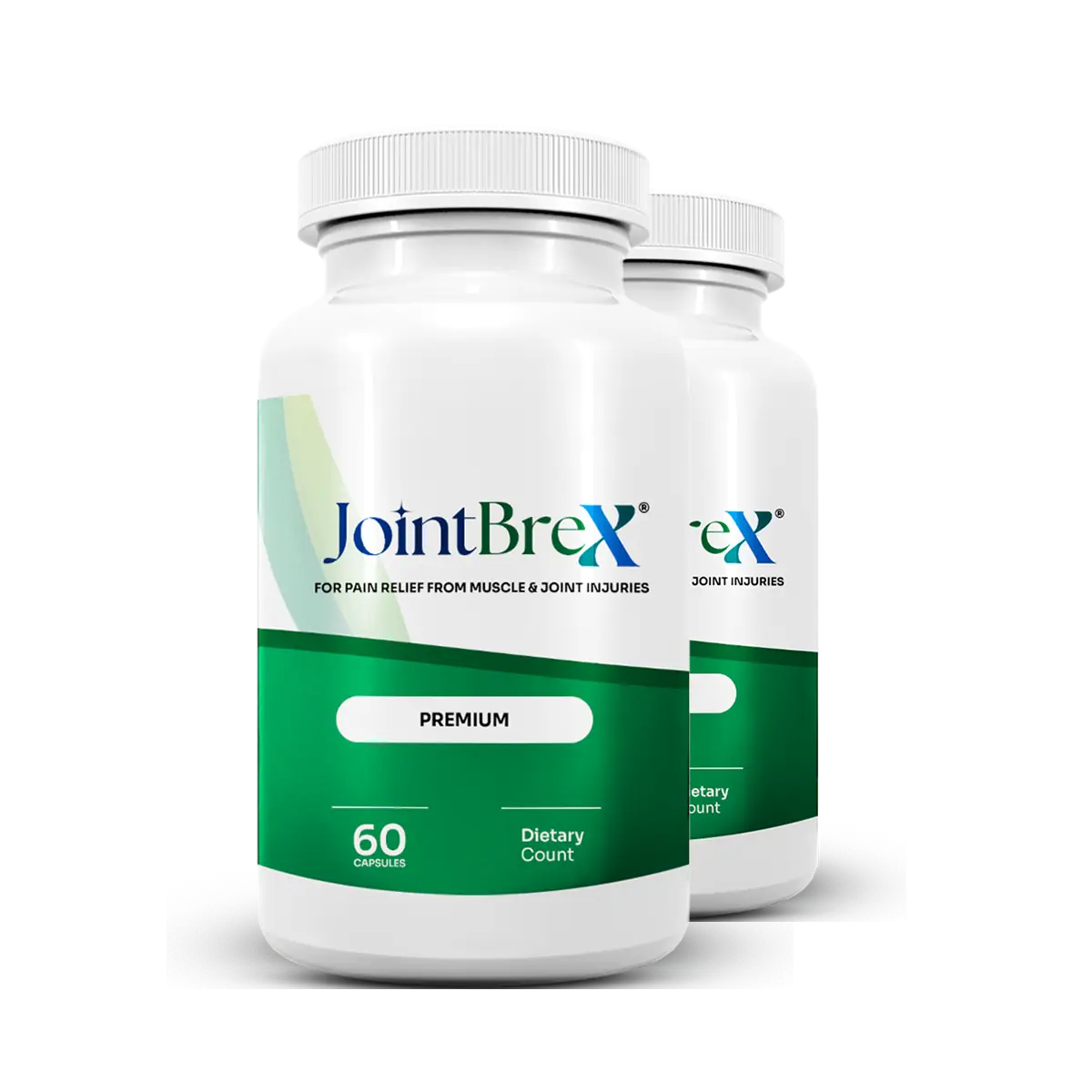
- Lowest per-bottle rate
- Includes the 5 digital bonuses
- 60-day guarantee
The crossed-out numbers are reference prices the manufacturer publishes; we found nothing showing the product has sold at them, so they are not a saving. "See Details" opens our pricing page, which links to the official checkout. We may earn a commission at no extra cost to you.
Where to Buy, and What to Ask First
Some readers will work through every answer here and decide to try it anyway. That is a reasonable thing to do with clear eyes. The pricing page has the current totals, the figures that contradict each other, and the questions to put to a pharmacist first.
Pricing and Cautions →