Turmeric: Is There Enough of It?
This is the ingredient the whole product rests on, so it gets the longest answer.
What is turmeric, and what is curcumin?
Turmeric is a root, related to ginger, and the thing that makes curry yellow. Inside it sits a family of yellow compounds called curcuminoids, of which curcumin is the best known. When research talks about turmeric helping anything, it is almost always the curcuminoids that were studied.
The distinction matters because dried turmeric root is only about 2 to 5% curcuminoids by weight. A standardised extract at 95% is a completely different proposition from ground spice.
Is the research real?
Yes, and it is worth saying clearly because plenty of supplement ingredients have nothing behind them. Curcumin has been tested in knee osteoarthritis in a number of randomised trials, with several reporting reduced pain and stiffness. A few compared it against anti-inflammatory drugs and found comparable symptom scores with fewer stomach complaints.
Within the supplement world that is towards the better end of the evidence.
So is there enough here?
No, and this is the answer that shapes everything else on this site.
The panel has two turmeric entries. The 30 mg one states 95% curcuminoids, so 28.5 mg of it is the compound the research is about. The 75 mg one states "4:1", which describes how much root was concentrated during manufacture rather than what came out — and it cannot be converted into a curcuminoid figure by anyone reading the label.
Being generous about the unknown portion gives roughly 35 to 40 mg per capsule. The trials used 500 to 1,500 mg daily.
How big is that gap really?
Between a tenth and a fortieth of the studied amount. Put another way, you would need somewhere between fourteen and forty of these capsules a day to match the research — which is not a suggestion, just the clearest way to show the scale.
Does the black pepper close the gap?
It helps considerably and it does not close it. Piperine raises curcumin absorption around twentyfold, which is a real and substantial effect. But it multiplies what is in the capsule rather than adding more.
There is a second point people miss. The trials behind curcumin's joint reputation mostly used piperine or an enhanced formulation themselves, so the 500 mg reference figure already accounts for absorption help.
Why is half the turmeric unquantifiable?
Because the larger entry uses a ratio rather than a standardisation percentage. Ratio extracts are typically much weaker on the marker compound than standardised ones of the same weight, and the label does not commit to any figure.
The effect is that "105 mg of turmeric" reads more impressively than the 28.5 mg you can actually verify.
What should I check before taking it?
- Blood thinners — curcumin affects clotting and adds to warfarin, aspirin and clopidogrel
- Surgery — usually stopped about two weeks beforehand; tell the surgical team
- Gallstones — turmeric stimulates bile production and is generally avoided
- Diabetes medication — curcumin may lower blood sugar as well
- Liver — rare reports of injury with concentrated supplements, more often with high-absorption formulations
And a point worth making plainly: more is not automatically better or safer. If you want a properly dosed curcumin product, that is a conversation with a pharmacist rather than a decision to make from a website.
Sources
Also on the panel
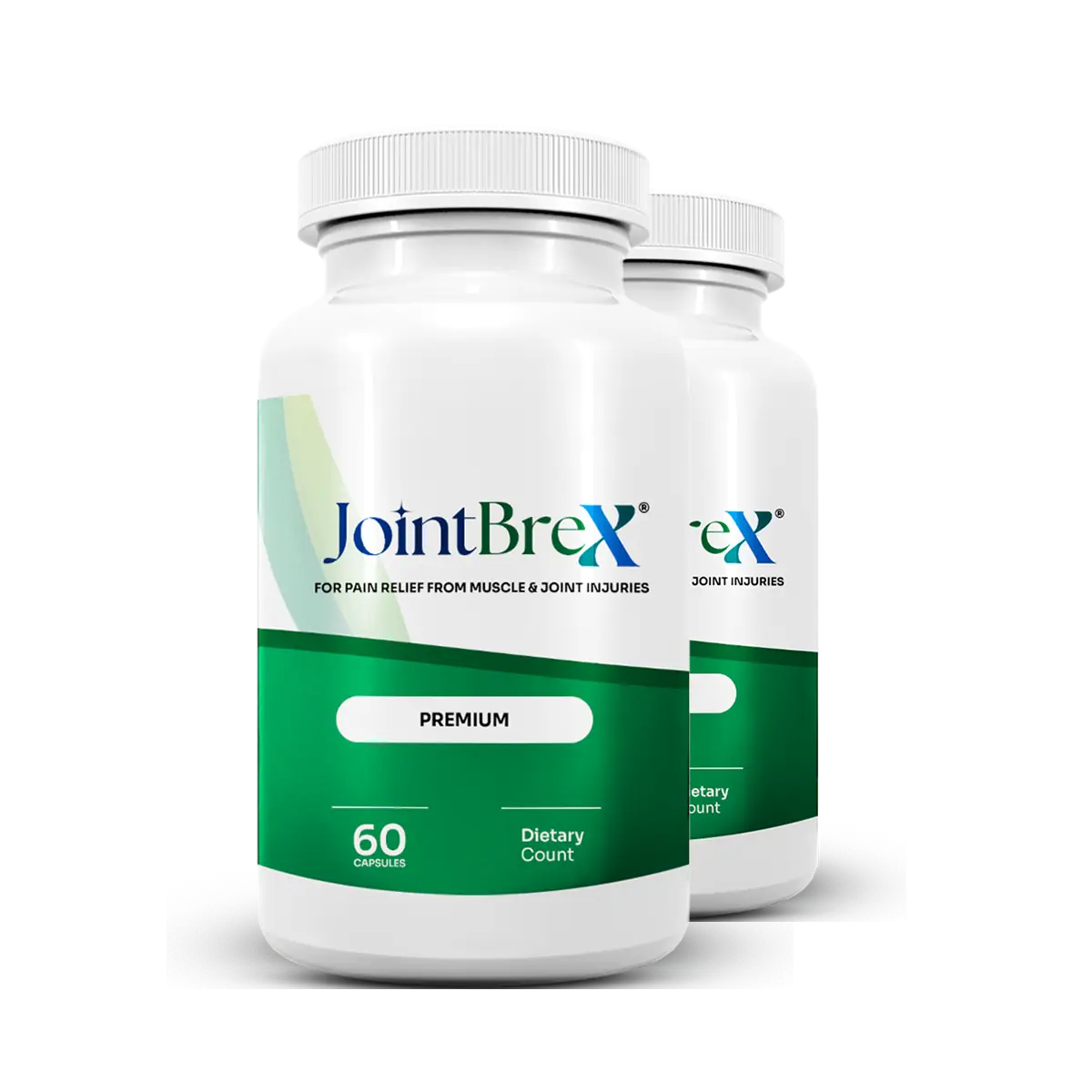
Where to Buy, and What to Ask First
Some readers will work through every answer here and decide to try it anyway. That is a reasonable thing to do with clear eyes. The pricing page has the current totals, the figures that contradict each other, and the questions to put to a pharmacist first.
Pricing and Cautions →