Should I Trust the Reviews?
This question deserves a more interesting answer than the usual one about fake reviews, because the real problem is structural.
The short answer
Not much — and not primarily because reviews are fabricated, though some are. The deeper issue is that joint pain is close to the worst possible symptom for judging whether something works.
Why joint pain in particular
Three things combine badly. It is subjective, so there is no external measure. It fluctuates naturally, so people have good weeks and bad weeks regardless. And people start treatments during bad patches, which means improvement three weeks later is what would probably have happened anyway.
Add a well-documented placebo response and you have a symptom almost designed to generate sincere false positives. Someone who feels better genuinely cannot tell what caused it — and neither can you, reading their account.
What is on the sales page
Three named testimonials with towns and "verified purchase" badges, plus a five-star rating attributed to 21,469 reviews.
We could verify none of it. No linked platform where those reviews can be read, no way to confirm the individuals exist, no source given for the count. The page's own small print notes that some names and identifying details have been changed.
Are you saying they are fake?
No. Unverifiable is not the same as false, and we are not going to allege something we cannot demonstrate. What we are saying is that no reader can check any of it, which is the only thing that matters when deciding what weight to give it.
Why we publish no reviews ourselves
No named reviewers, no star ratings, no counts, and no aggregate rating markup in our code. If we cannot substantiate a figure, it does not go anywhere designed to persuade you.
The extra complication here
Anyone reviewing this product almost certainly believed they were taking a glucosamine and chondroitin formula, since that is what the advertising describes. A review written on a mistaken understanding of the contents tells you less than usual, which is already very little.
What would actually be worth reading
A clear photograph of the Supplement Facts panel from a bottle bought recently. That would settle the central question on this site in a way no volume of symptom reporting can, and any buyer could produce it in thirty seconds.
After that: how many capsules were in the bottle, what dosing instruction was printed on it, what the checkout actually charged, and how the refund process went. All checkable.
Reviews to ignore completely
Any claiming the product cured arthritis, regrew cartilage, or allowed someone to stop a prescribed medicine. The first two do not happen. The third is dangerous advice regardless of the product.
What Does It Cost?
Priced by the manufacturer and sold through BuyGoods. Because the sales page publishes figures that contradict one another, read the checkout total carefully before confirming.
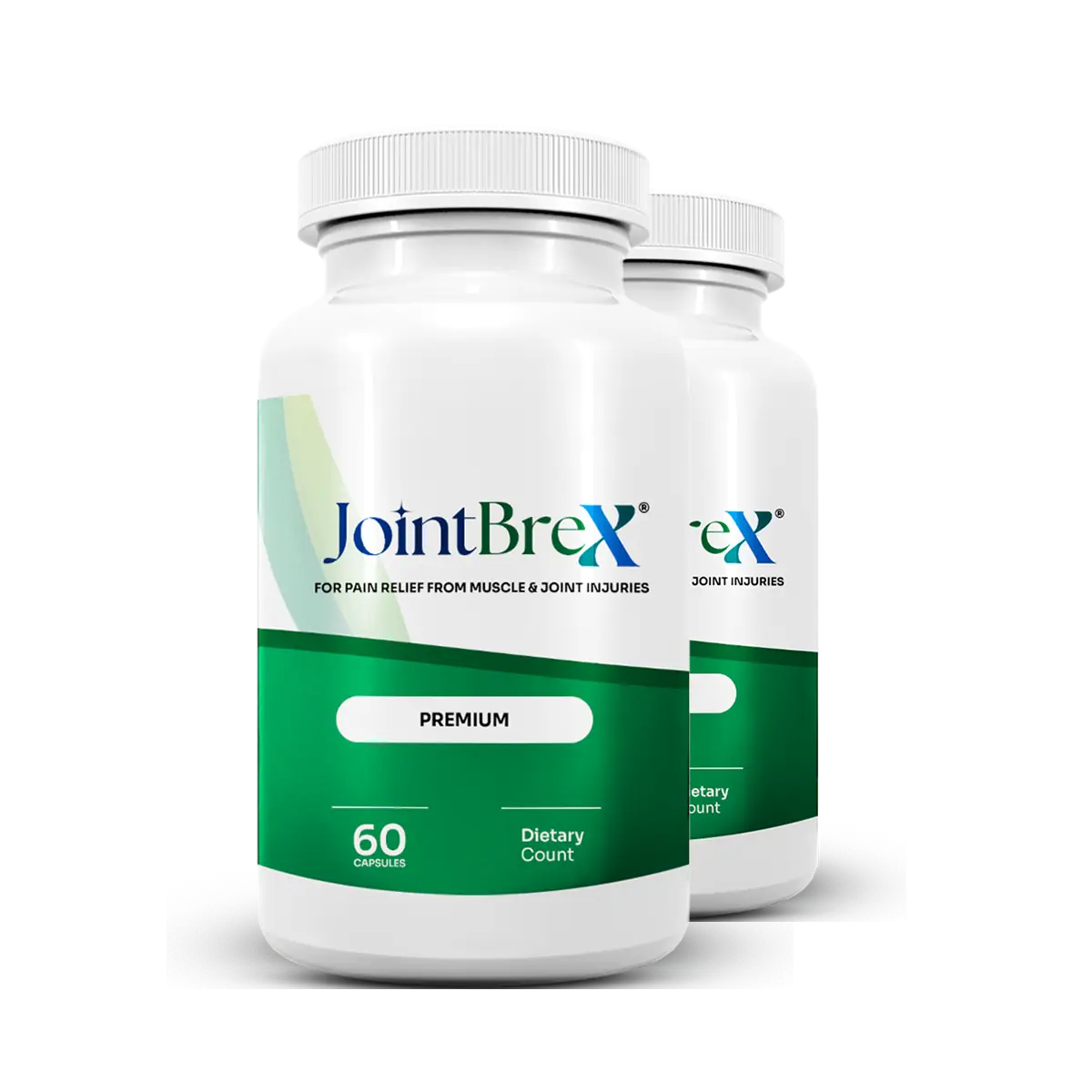
- Lowest per-bottle rate
- Includes the 5 digital bonuses
- 60-day guarantee
The crossed-out numbers are reference prices the manufacturer publishes; we found nothing showing the product has sold at them, so they are not a saving. "See Details" opens our pricing page, which links to the official checkout. We may earn a commission at no extra cost to you.
Where to Buy, and What to Ask First
Some readers will work through every answer here and decide to try it anyway. That is a reasonable thing to do with clear eyes. The pricing page has the current totals, the figures that contradict each other, and the questions to put to a pharmacist first.
Pricing and Cautions →