Do I Actually Need a Joint Supplement?
This is the question underneath all the others, and almost nobody asks it before buying.
Start with what is wrong
Joint supplements are marketed at "joint pain" as though it were one condition. It is not, and the answer to this question depends entirely on which one you have.
Osteoarthritis comes on gradually over years, is worse with use and better with rest, and its morning stiffness eases within about half an hour. This is what supplements are aimed at.
Rheumatoid arthritis is autoimmune — often symmetrical, often small joints, with morning stiffness lasting over an hour. It needs treatment, and treating it early substantially changes the long-term joint damage.
Gout is sudden, severe, usually one joint, often the big toe. Very treatable once identified.
A joint infection is hot, red, swollen and usually feverish. An emergency.
Only the first is a supplement question at all. The others are a doctor question, and buying capsules instead is where real harm happens in this category.
If it is osteoarthritis, what actually helps?
Ranked by the weight of evidence: exercise and strengthening first, by a wide margin. Weight management where it applies. Physiotherapy. Appropriate pain relief. Walking aids and activity changes. Heat and cold. Then, some way down, oral supplements.
That ordering is not our opinion. It reflects what clinical guidelines recommend and what trials have measured.
So is the answer just never?
No. Someone already exercising, managing their weight, properly diagnosed and using pain relief sensibly, who wants to add something at the margins, is in a perfectly reasonable position. The problem is buying a supplement instead of those things, which is what most supplement marketing quietly encourages.
Two honest reasons to say no
Opportunity cost. The money spent on six bottles would cover a course of physiotherapy, which leaves you with a programme you keep using rather than something you consume.
The illusion of action. Taking a capsule daily feels like addressing the problem. If it substitutes for the things that would actually help, it has cost more than its price.
If you decide yes, buy properly
- Choose a product whose active content you can read off the panel and compare against research
- Check it against your medication list with a pharmacist first
- Decide in advance what result would justify continuing, and write it down
- Give it a defined trial with written notes rather than an indefinite habit
The one-sentence version
Get a diagnosis, do the exercise, and treat a supplement as something you add afterwards rather than something you try first.
Sources
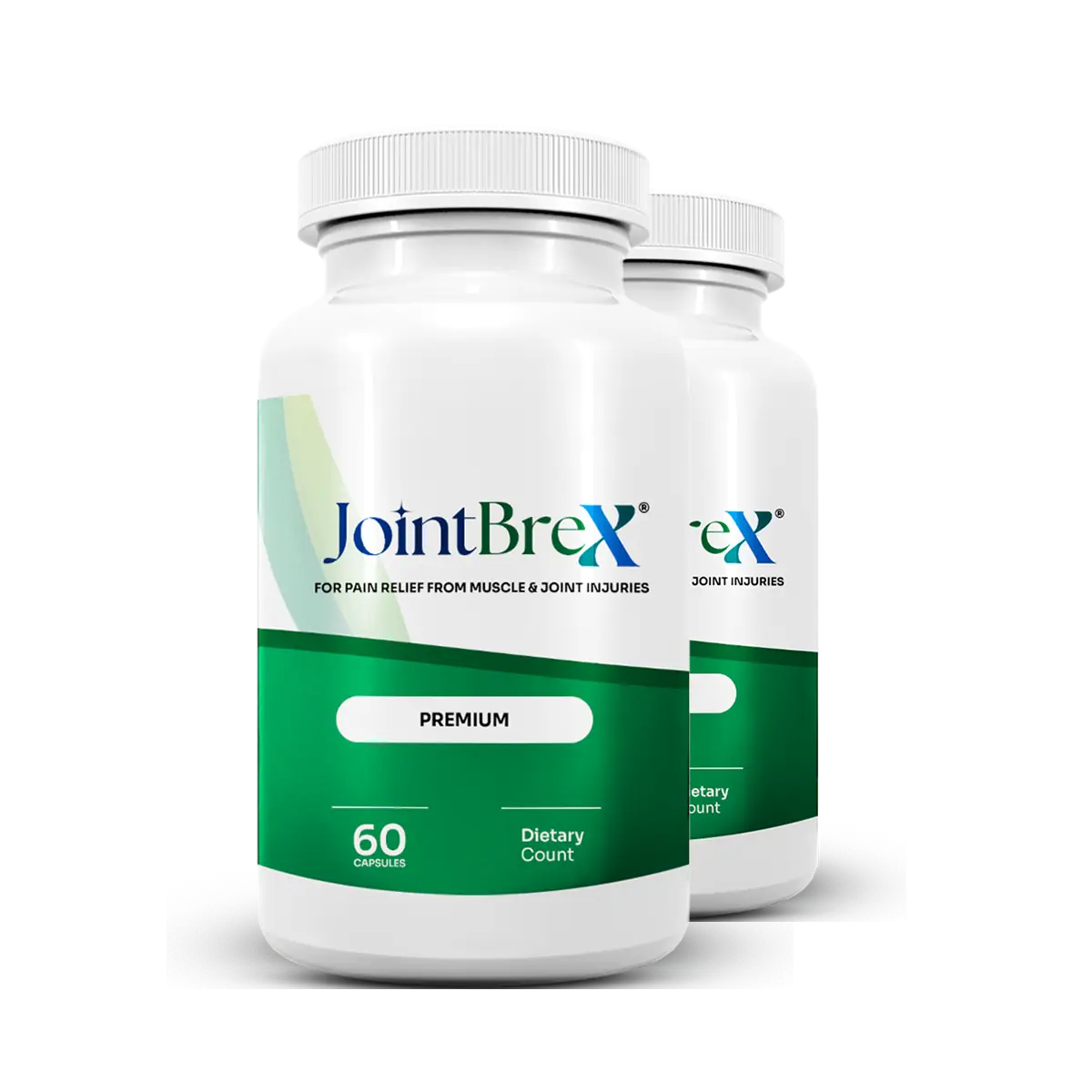
Where to Buy, and What to Ask First
Some readers will work through every answer here and decide to try it anyway. That is a reasonable thing to do with clear eyes. The pricing page has the current totals, the figures that contradict each other, and the questions to put to a pharmacist first.
Pricing and Cautions →