Is It Safe to Take Long Term?
Long-term safety is the question with the least data behind it, for this and almost every supplement.
The honest starting point
Most supplement trials run for weeks or a few months. Very few run for years. So long-term safety questions in this category are usually answered from general knowledge of the ingredients and from adverse event reports, rather than from long trials of the finished product.
That applies here too. Nobody has studied this specific formula over years, because nobody studies finished supplement formulas that way.
What is reassuring
The ingredients are ordinary and present at ordinary or low amounts. Turmeric has an extremely long history of dietary use. Black pepper extract at 5 mg is a standard inclusion across the industry. The manufacturing claims — GMP certified, FDA-registered facility — are stated accurately.
Caveat one: the interactions do not go away
They persist for as long as you take it, and your medication list may change over time while the supplement stays the same. Someone who checked interactions two years ago and has since started a new prescription has not checked anything.
The habit worth forming
Whenever a new medicine is prescribed, mention every supplement you take. Keep them on the same written list. Supplements are frequently omitted from medication histories precisely because nobody prescribed them.
Caveat two: the liver reports
Rare cases of liver injury have been associated with concentrated turmeric supplements, more commonly with high-absorption formulations than with plain extracts. Rare is genuinely rare, and it is not zero.
Symptoms worth acting on: unusual fatigue, nausea, abdominal pain, dark urine, or yellowing of skin or eyes. Stop and see a doctor.
Caveat three: the shellfish contradiction
Not a long-term issue exactly, but a safety one that persists. The sales page carries a crustacean allergy warning; the panel lists no shellfish-derived ingredient. Anyone with that allergy cannot establish safety from the published documents at all and should get written confirmation from the manufacturer.
The thing nobody can answer
Whether taking it for years does anything useful. Long-term safety and long-term benefit are separate questions, and at roughly 35 mg of curcuminoids daily the second one is harder to argue than the first.
A reasonable approach
- Recheck interactions whenever your prescriptions change
- Mention it at every medical appointment, including dental and pre-surgical
- Stop about two weeks before any planned procedure
- Run a stop-and-restart test periodically rather than continuing by default
- Reassess if your joint symptoms change character rather than just persisting
Sources
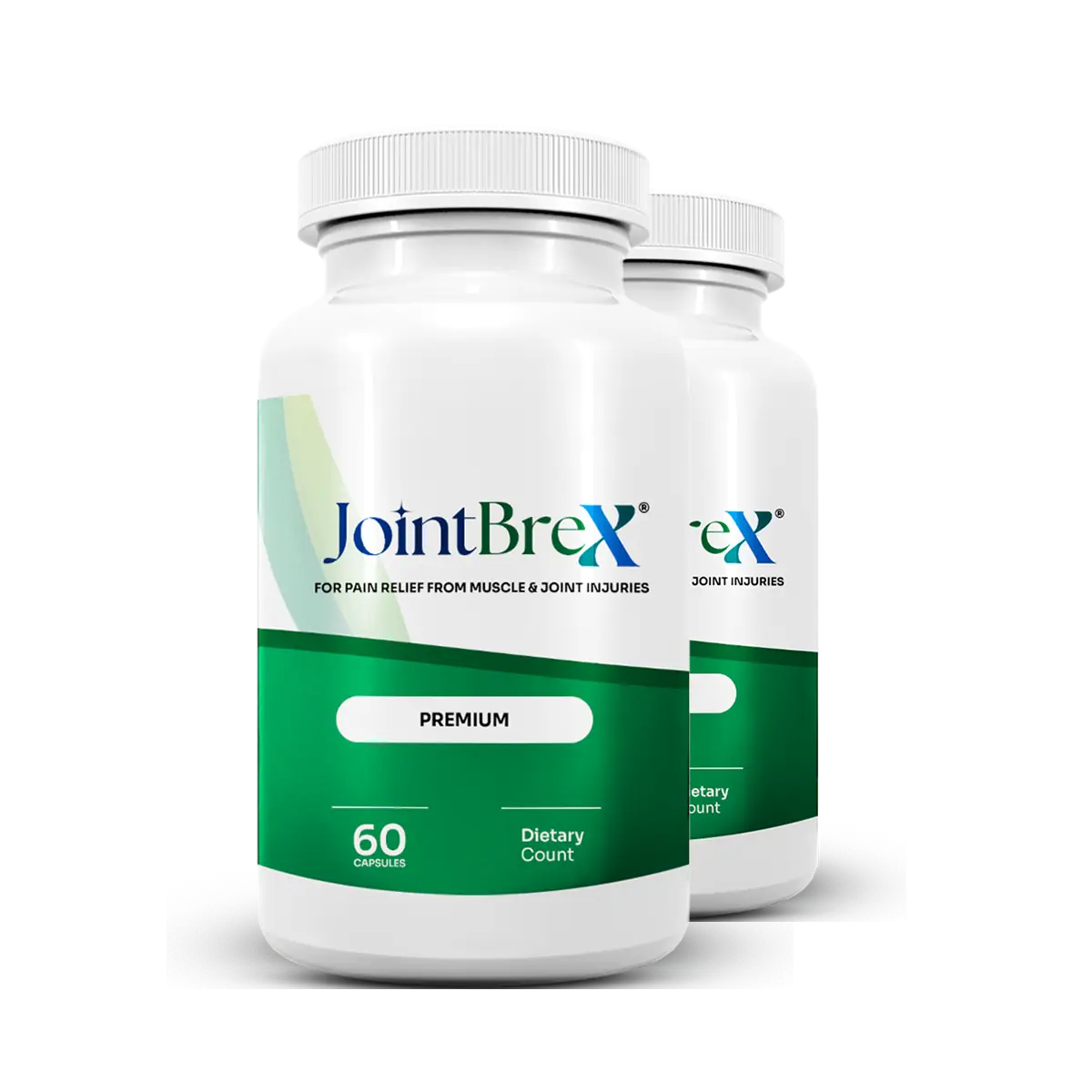
Where to Buy, and What to Ask First
Some readers will work through every answer here and decide to try it anyway. That is a reasonable thing to do with clear eyes. The pricing page has the current totals, the figures that contradict each other, and the questions to put to a pharmacist first.
Pricing and Cautions →